
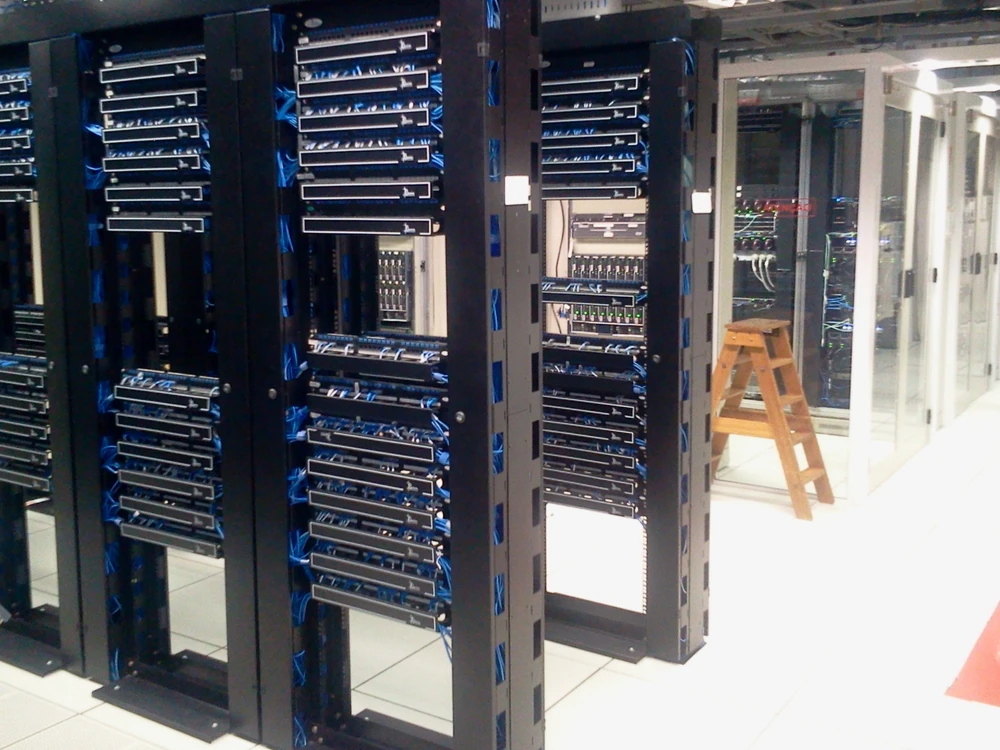
Modernizing a Server Room Takes More Than New Hardware
Posted by admin on Jul 14th 2026
Most IT managers begin their updating projects by looking at the newest servers. Faster processors and higher storage capacity tend to grab attention because they have the promise of immediate performance boosts. If you only swap out old gear for newer machines, you simply just aren’t doing enough for your facility. A truly successful data center upgrade requires looking at the environment where that equipment lives. If you ignore the physical room, even the most expensive equipment will struggle to perform at its highest capacity.
Placing powerful new units into existing racks without surveying the surrounding conditions can cause serious strain on your equipment. True server room modernization means looking at the space as a complete operating facility where the physical setup is just as important as the processors.
Managing the Heat Load
The most common mistakes that IT teams often make is failing to address data proper center cooling. Newer, more powerful servers often consume more power and generate significantly more heat than the old equipment. If your cooling setup was designed five or ten years ago, it most likely isn’t able to handle the heat output of current high density racks.
Instead of investing in more air conditioning units, take a look at airflow management. Using blanking panels in unused rack spaces can make a massive difference in the server room. A simple addition like blanking panels is able to stop hot exhaust air from looping back into the front of your equipment. Keeping your cold air contained and directed toward your intake vents keeps servers running at safe temperatures without needing to turn your cooling units up.
To manage this heat effectively, you need the right physical components. Installing server enclosures from brands like Tripp Lite provides an environment built for high heat production. Options like Linier server cabinets have ventilation in order to maximize air circulation. Combining these cabinets with rack filler panels blocks open gaps, ensuring cold air goes exactly where your processors need it most.
Planning for Power and Space
Modern hardware density can be great for saving floorspace and staying organized, but it’s terrible for electric circuits. As you combine more equipment into single racks and cabinets, you increase the load on individual power distribution units. This consolidation packs far more electrical requirements into a rather small space.
Before you install new gear, make sure you have sufficient power for it. Many IT teams realize too late that their existing power cables or circuit breakers are not sized correctly for the amount of energy that modern AI or computers demand. A single heavy rack can quickly overwhelm an older electrical supply. Checking these load capacities ahead of time prevents unexpected circuit trips and saves your team from dealing with major productivity downtime later.
Adapting to Shifting Industry Demands
The physical demands of a modern server room are constantly changing as equipment evolves. Industry updates and data center news show that power densities continue to increase. If you track data center energy news, you will notice that everyone is talking about efficiency instead of just how much space a facility takes up. If you want your hardware investments to pay off, your space must be able to adapt alongside these trends.
Modernizing is about building a stable home for your technology. By prioritizing the physical environment along with your new hardware purchases, you build a facility that is prepared for whatever demands your business places on it next.
Build a Better Infrastructure
If you’re ready to update your technical environment for today's modern hardware. Explore our selection of heavy duty data center enclosures, cable management systems, and airflow management products at Rackfinity. Contact our team today to find exactly what you need to support your technology.