
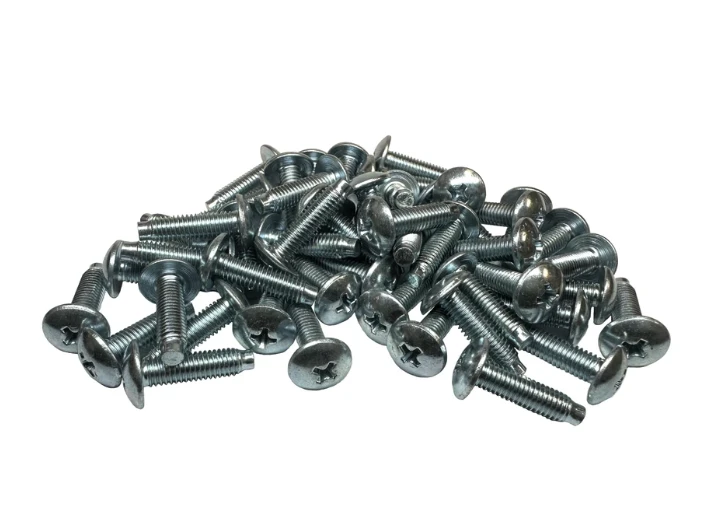
Rack Screw Anatomy: A Guide to Threads and Materials
Posted by admin on Sep 11th 2026
When planning a data center build or refreshing server cabinets, hardware discussions tend to revolve around servers, storage arrays, and cooling distribution. The smallest physical components often dictate how smoothly the actual physical installation goes. Technicians who spend hours mounting hardware know that having the right fastener makes a huge difference in a data center.
A rack screw might seem like a simple piece of metal, but its threading, physical dimensions, and material composition determine equipment safety and installation speed. Understanding the internal mechanics of these fasteners helps engineering teams and procurement managers avoid stripped threads, damaged rails, and expensive project delays.
Understanding Thread Standards and Sizing
Choosing the right rack screw size depends entirely on the mounting rail inside the cabinet. In enterprise facilities and network closets, three primary thread standards are the most common.
The ten thirty two is a common thread often used in telecom closets, relay racks, and audio equipment enclosures. The number ten refers to the outer diameter of the screw, while thirty two indicates thirty two threads per inch. These fine threads provide a tight, secure hold for lighter equipment and patch panels.
The twelve twenty four standard uses a slightly thicker shaft with twenty four threads per inch. Since the threads are coarser, installers can drive them in faster with less risk of cross threading. This size is common in heavy duty racks and older server enclosures that require a higher level of strength.
The M6 standard has become the default choice for modern enterprise server cabinets. An M6 screw features a metric diameter of six millimeters with a one millimeter thread pitch. When used with square hole mounting rails and cage nuts, M6 hardware provides the necessary strength for heavy servers, blade enclosures, and high density power gear. Matching the screw thread exactly to the clip prevents stripped metal and ruined mounting holes.
Materials and Protective Coatings
The metal composition of rack mount screws plays an important role in physical durability and corrosion prevention. Low grade fasteners can strip when installed with power tools.
Steel is the most common material for commercial installations. It delivers high strength and resists bending under extreme equipment loads. Stainless steel options provide additional corrosion resistance, which is valuable in humid climates or specialized environments where moisture control is challenging.
Protective surface finishes are equally important. Black oxide finishes give fasteners a clean look that matches modern cabinet frames while providing basic protection against surface rust. Zinc plating offers stronger defense against oxidation, keeping threads clean and easy to install during future hardware refreshes. Premium hardware also features pre-installed nylon washers. These washers distribute clamping pressure evenly and stop fasteners from backing out under equipment movement.
Overcoming Hardware Sourcing Challenges
Small physical components can often be overlooked during large infrastructure planning, leading to frustrating supply chain challenges. When a delivery arrives at a facility without the correct mounting equipment on hand, technicians are left waiting and important deadlines get pushed back.
Successful data center deployments rely on dependable physical components at every level of the facility. Making sure your teams have the correct rack mount screws, proper thread types, and strong materials protects valuable equipment and prevents installation delays.
Partnering with an experienced sourcing specialist makes sure your teams always have the right hardware on site when they need it.
If your company is preparing for an upcoming hardware project and needs dependable sourcing support for server racks, mounting hardware, or custom deployment kits, contact the Rackfinity team today to discuss all of your procurement needs.