
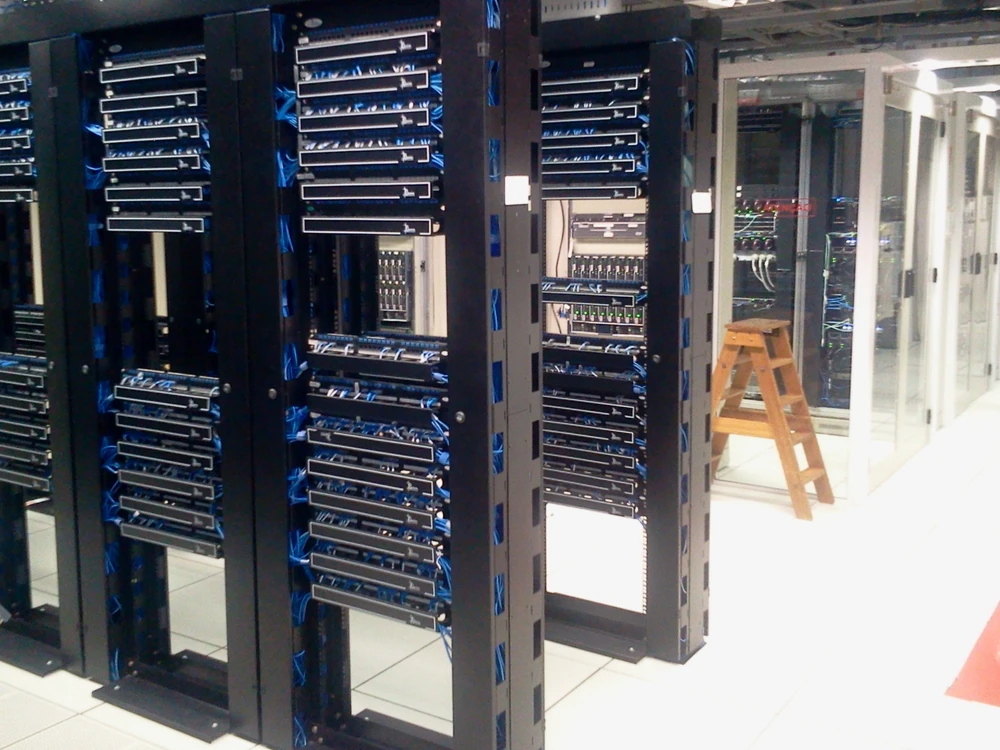
The Rethinking of Server Rack Design: Its Impact on New Data Centers
Posted by admin on Sep 19th 2026
Data center news is filled with headlines about AI hardware deployments, local power grid issues, and massive new facility expansions. Right alongside those headlines, data center energy news keeps warning about the staggering electrical bills coming from high density computing. Processors and power stations get the attention, but the metal frames holding the servers are what site planners are really focusing on right now.
The standard four post metal frames that held basic office servers for years are no longer cutting it. As computing hardware gets heavier and lets off massive amounts of heat, the physical setup has forced engineers and procurement teams to completely rethink frame strength, wiring room, and airflow control.
Handling Extreme Weight and Deeper Gear
New computing clusters loaded with processors and massive storage look completely different from ordinary office servers. A single fully loaded cabinet can easily weigh three thousand pounds or more. Older frames were not engineered to carry that much weight, and overloading them can bend the vertical rails or make pulling out heavy equipment unsafe for technicians.
Modern server cabinets use heavier steel, reinforced mounts, and much deeper dimensions. Depths have grown well past the old forty inch standard, often reaching forty eight inches or more. That extra room gives technicians plenty of space to run thick power cables and work on equipment without overheating from the hot exhaust blowing from the back of the servers.
Why Cabinet Design Directly Affects Cooling
Cabinets run way hotter and pull far more electricity than they used to. When equipment generates that much heat, the main goal is to keep hot air from mixing with cold air. If hot exhaust blows back around to the front intake, the servers have to work twice as hard to stay cool, which wastes electricity and runs up massive electric bills.
Modern cabinet setups make airflow management easy. Mesh doors let plenty of fresh air reach server intakes. Sealing off empty spaces inside the cabinet is just as critical. Snapping in blanking panels and using brush strips around cable openings prevents hot exhaust from looping back around into the server. Taking care of airflow right at the cabinet stops hot spots before they start and saves cooling units from working overtime.
Clearing Out Supply Chain and Sourcing Headaches
Building a data center means getting thousands of physical components delivered on a strict timeline. If server racks, power distribution units, patch panels, or mounting hardware get lost in shipping, installation crews are left waiting on site and deadlines get delayed.
Keeping projects moving requires a partner who understands the supply chain and works directly with top manufacturers. Rackfinity helps data center operators skip the sourcing delays and keep deployment schedules on track.
By stocking server cabinets, airflow panels, and mounting hardware in house, Rackfinity cuts down manufacturer times. Custom kitting services make installation on the floor even smoother. Instead of digging through dozens of mixed boxes, technicians receive clear bins packed with the exact count of equipment needed for each individual cabinet.
The Backbone Behind Modern Computing
Everyone talks about AI and cloud software, but none of those tools exist without physical hardware sitting in buildings. Upgrading physical cabinet setups is a requirement for any team planning dense, energy efficient facilities.
Building out modern infrastructure requires dependable hardware and a sourcing partner who knows how to keep supplies moving.
If your team is planning an upcoming facility build and needs help sourcing server racks, power distribution, or pre-packaged deployment kits, reach out to the Rackfinity team today to discuss your next project.