
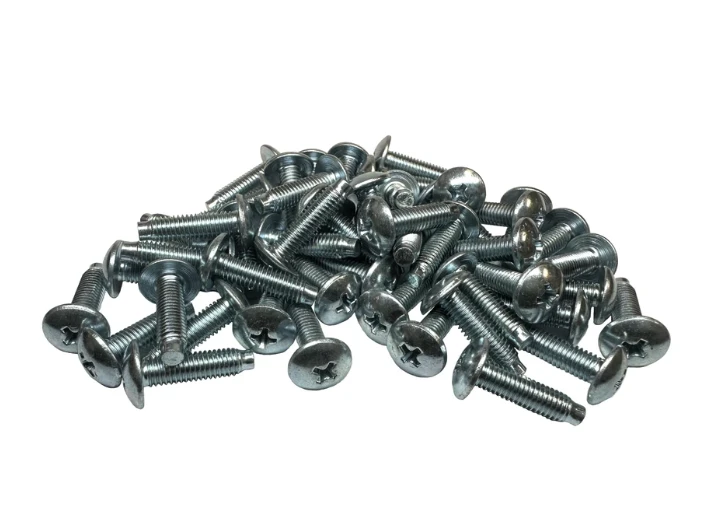
Tighten Smarter, Not Harder: The Right Way to Secure Rack Screws
Posted by admin on Jun 20th 2026
Properly securing your equipment is the foundation of any professional IT environment. While it is easy to focus on cable management or server configurations, the way you physically mount your gear is equally important.
At Rackfinity, we’ve seen the significant impact that the right hardware can have on the long-term health of a data center. Learning the best practices for handling rack screws ensures that your expensive equipment remains safe, level, and easy to use.
Setting up a rack seems like a relatively straightforward job, but there is a right way and a wrong way to do it. Over-tightening, using the wrong rack screw size, or choosing poor-quality materials can all lead to stripped threads and damage to your equipment.
Understanding the Standard Rack Screw Size
One of the most common difficulties for those new to server maintenance is identifying the correct rack screw size. Not all screws are created equal, and forcing the wrong thread into a rail is a quick way to cause permanent damage to your hardware.
The 10-32 tapped screw has been the standard for many years. However, as the industry has shifted toward square hole rails and cage nuts, the 12-24 and M6 sizes have become much more common.
- 10-32 Screws: A fine thread screw often found in older racks or specialized telecommunications equipment.
- 12-24 Screws: A slightly larger, coarser thread that is very common in modern data networking.
- M6 Screws: The metric standard widely used with cage nuts in global data centers.
Before you start installation, always verify the threading of the rack or cage nuts. Attempting to put a 12-24 rack screw into a 10-32 hole will strip the threads, leaving you with a mounting point that is no longer secure.
Best Practices for Installation
When it comes to the installation itself, the tighten smarter, not harder philosophy is your best friend. You can follow along with these simple steps to ensure a professional fit:
- Hand-Start Every Screw: Never lead with a power drill. Always start the rack screw by hand to ensure it is threading correctly. If you feel resistance in the first couple of turns, re-check the alignment.
- Use Plastic Washers: We recommend using plastic or nylon washers with your rack mount screws. These protect your equipment from being scratched.
- The Cross-Pattern Technique: Tighten rack mount screws in a diagonal pattern. This ensures the equipment is seated evenly and prevents it from tilting.
Avoiding Over-Tightening
A common mistake many people make is to think that a tighter screw is a safer screw. In reality, over-tightening a screw can cause the screw head to shear off. If you use a power driver, set it to a low level. The goal is to make the equipment snug and immobile, not to fuse the metal. A single rack screw can become frozen over time due to heat cycles in the server room, making it nearly impossible to remove during your next hardware refresh.
Quality Matters
The quality of the rack screws you choose reflects the quality of your entire build. Low-grade screws are often made of softer metals that strip easily under the weight of a heavy server. At Rackfinity, we provide high-strength hardware designed to withstand the weight of critical equipment.
Whether you are looking for a specific rack screw size for a project or designing a brand new facility, we have the supplies you need to do the job right.
Secure Your Success
A secure rack is a reliable rack. By taking the time to choose the best hardware and following proper installation techniques, you protect your technology and make future maintenance a breeze.
Ready to stock up on professional-grade mounting hardware? Explore our full selection of rack mount screws and accessories at Rackfinity. If you’re unsure which size is right for your specific rails, contact us to get professional assistance. We’re here to help you tighten smarter and build a better workspace.