
Why Cage Nuts Have Cages: The Simple Design Behind Their Effectiveness
Posted by admin on Nov 14th 2026
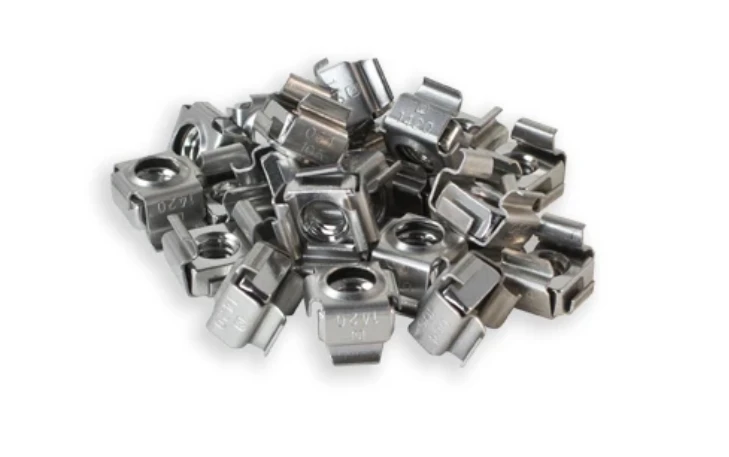
Walk down any row of equipment cabinets in a modern computer room and you’ll see heavy machinery, network gear, and connection panels all safely secured on vertical metal racks. Behind almost every single piece of mounted gear sits a small metal clip that technicians use constantly: the cage nut. The simple cage nut quietly protects expensive gear from damage and keeps daily work moving forward.
Understanding why these little parts have a flexible metal cage around them shows why they remain so popular in server rooms everywhere.
The Trouble with Built In Screw Holes
Years ago, equipment frames had round holes with screw threads cut right into the cabinet posts. While that seemed convenient at first, it turned out to create major problems during real installations.
If someone holding a heavy piece of equipment accidentally screwed a bolt in crooked, the threads inside the post stripped out completely. Fixing that mistake is a nightmare. You have to drill a bigger hole, fumble with loose nuts behind the post, or throw out the entire metal frame. Even a tiny mistake like stripping a screw hole costs time and money.
Switching to square holes paired with server rack cage nuts fixed that issue for good. The metal post itself has no threads at all. Instead, the threads sit inside a separate square nut wrapped in a springy metal clip. If a bolt gets stuck or strips out during a rushed install, nobody has to throw away an entire server cabinet. A technician just has to pop out the damaged cage nut and snap a new one into the exact same square hole in seconds.
Why the Nut Needs Wiggle Room
The spring clip does much more than just keep the nut from falling on the floor. It also gives the nut inside just enough room to shift around slightly.
No two metal frames or pieces of equipment are made exactly alike, so mounting holes rarely line up perfectly. If the nut were fixed rigidly in place, even a tiny size difference would make it hard to line up the bolts.
The clip holds the nut securely behind the hole while letting it wiggle up, down, and sideways. When a worker slides a heavy piece of equipment into the rack, the nut shifts slightly. That little bit of flexibility prevents sticking and takes a lot of strain off workers who are trying to balance heavy gear with one hand while tightening screws with the other.
Installing Metal Clips Without Hurting Your Fingers
Anyone who has worked around equipment cabinets has probably tried snapping these clips in place using bare fingers or an old screwdriver. That usually leads to pinched fingers, bleeding knuckles, scratched paint on expensive cabinets, or bent clips that fail to hold.
Using a cage nut tool makes the whole job a lot easier. The tool catches the wing of the clip and pinches it flat so it slips right through the square hole. When you need to move gear to another spot, the same tool unhooks the clip just as smoothly.
Avoiding Delivery Delays and Missing Hardware
Small parts like nuts and bolts are often forgotten until the last second during planning. Yet when teams show up on site ready to fill cabinets, running out of fasteners stops the entire project.
Rackfinity makes dependable hardware through its RackGold® line, giving technical teams parts built to handle tough environments. By producing essential supplies and keeping stock on local shelves, Rackfinity works as a trusted sourcing partner that helps you avoid delivery complications.
Keep Your Next Installation Moving Smoothly
Having the right mounting hardware ready to go keeps deployments moving on schedule. The teams that stay on track are the ones that treat cage nuts and screws as part of the plan, not an afterthought. Rackfinity helps organizations do that by keeping RackGold® hardware on the shelf and packing it alongside everything else a crew needs for each rack. Whether your team is refreshing an older facility or setting up a brand new room, the Rackfinity team is always happy to share what has worked for others.